
A sore knee on the stairs, a shoulder that catches when you reach overhead, or a back that stiffens after a long workday can make exercise feel like a risky choice. Personal training for injuries gives you a better option than either pushing through blindly or stopping all movement: a clear, coached way to keep building capacity while respecting what your body is telling you.
The goal is not to pretend an injury is not there. It is to understand what you can do now, what needs to be modified, and how to progress without turning every session into a test of pain tolerance. For many people, the right training plan is part of getting back to lifting, playing with the kids, carrying groceries, climbing stairs, or simply moving through the day with more confidence.
Personal Training for Injuries Starts With the Right Questions
An injury-aware training plan should never begin with a generic workout. A coach needs to know what happened, when symptoms show up, what movements you miss, and what a medical professional has advised. A recent ankle sprain, a long-standing cranky shoulder, post-physio knee pain, and a diagnosed disc injury may all require very different decisions.
That first conversation also looks beyond the painful area. If your knee is irritated, for example, your training history, hip strength, ankle mobility, sleep, workload, and confidence around movement can all matter. The knee is not always the whole story.
This does not mean a personal trainer replaces a doctor or physical therapist. Acute injuries, unexplained pain, numbness, significant swelling, dizziness, or loss of strength need medical assessment. When you have a diagnosis or rehab guidance, good coaching works alongside it. Your trainer can help turn broad advice such as “strengthen your legs” or “gradually return to activity” into a practical weekly plan.
Keep Training, But Change the Dose
Rest can be useful early on, especially after an acute injury. But complete rest for weeks or months can leave you weaker, stiffer, and more worried about moving. In many cases, the better question is not “Can I train?” but “Which version of training is appropriate today?”
That may mean reducing load, changing range of motion, slowing the tempo, choosing a more stable position, or swapping an exercise temporarily. Someone whose shoulder is irritated by overhead pressing may train rows, carries, lower-body strength, and pain-free pressing variations. Someone rebuilding after knee trouble may start with controlled box squats, split-stance work, sled pushes, and gradual step-ups before returning to deeper or heavier squats.
The same principle applies to experienced lifters. If the snatch or clean and jerk is currently provocative, that does not automatically mean all Olympic weightlifting must stop. Technical drills with a light bar, pulls from a modified position, strength work, and movement practice can maintain useful qualities while the full lift is rebuilt. Sometimes the best progress comes from stepping back just enough to clean up a pattern.
Pain Is Information, Not a Challenge
Training around an injury requires judgment. A little effort-related discomfort is different from sharp, escalating, or lingering pain. Your coach should ask how a movement feels during the session, later that day, and the next morning. The response over the next 24 hours often tells you more than one single repetition.
There is no universal pain scale that fits every person or condition. Still, a sensible approach is to keep symptoms mild and manageable, avoid movements that worsen steadily as you continue, and adjust if pain remains noticeably higher after training. A session should leave you feeling like you did productive work, not like you gambled with your recovery.
Confidence matters here. People often move cautiously after an injury because they do not trust a joint, a position, or a load anymore. That hesitation is understandable. Carefully repeated exposure to safe movement helps rebuild trust. A supported squat, a light deadlift from blocks, or a controlled carry can be more valuable than it looks because it proves to your nervous system that you are capable.
Strength Is Often the Long-Term Plan
Mobility work has a place, particularly when a joint is genuinely restricted or a movement feels stiff. But flexibility alone rarely prepares you for the demands of real life. You need strength and control through the ranges you use.
For a parent, that may be getting up from the floor while holding a child. For an office worker, it may be carrying a laptop bag, sitting comfortably through a meeting, and training after a long commute. For an older adult, it may be stepping over a curb, catching your balance, or getting out of a chair without using your hands. For a lifter, it may be receiving a clean with stable knees and a strong trunk.
Progressive strength training develops the muscles, connective tissues, coordination, and balance that support these jobs. It is not a quick fix, and it is not always linear. Some weeks will feel great; other weeks may call for a smaller jump in load or an extra recovery day. The useful measure is the trend over time: more control, more tolerance, and more options in daily life.
Build Capacity Before Chasing Old Numbers
Returning to previous lifts too quickly is a common frustration. Your old numbers can be a useful reference, but they are not the assignment for your first few weeks back. Start with movements you can perform well, then earn more range, speed, complexity, and load.
For example, a return-to-deadlift plan might begin with a kettlebell from an elevated position, progress to a barbell from blocks, then gradually move closer to the floor. A return-to-running plan may include calf strength, single-leg balance, walking intervals, and controlled lower-body training before higher-impact work increases. The best route depends on the injury, your training background, and what you need your body to do.
What a Coached Session Should Look Like
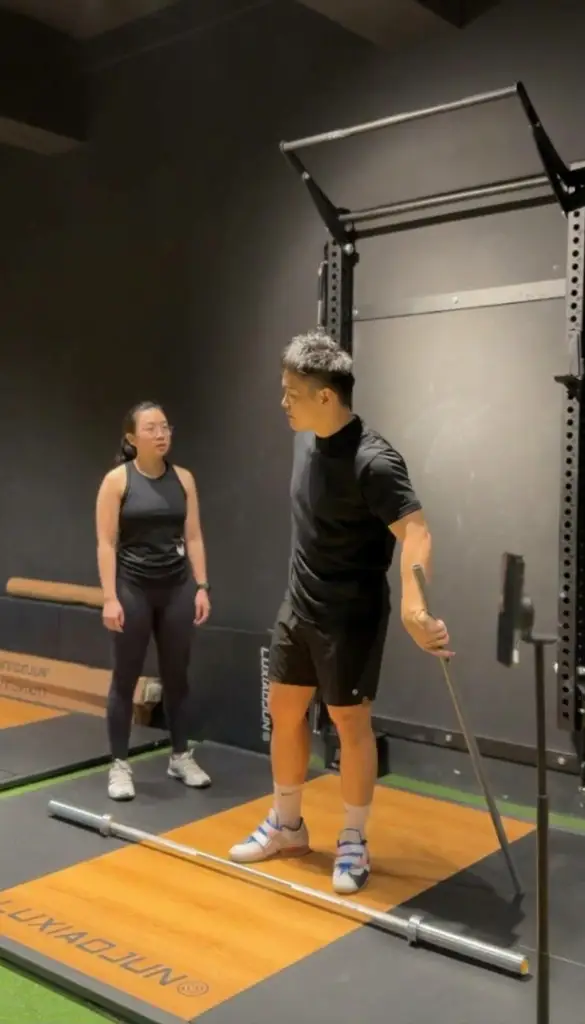
A good injury-aware session still feels like training. You may squat, hinge, push, pull, carry, and condition, but the choices are deliberate. Your coach watches how you set up, brace, breathe, and respond to the work. They can make small changes in real time rather than waiting until a movement has become painful or frustrating.
At ANTS Training Club, this hands-on approach matters because no two members arrive with the same history. One person may be returning after a sports injury, another may be managing recurring joint discomfort from desk work, and another may be rebuilding strength after a period of inactivity. Small-group coaching and individualized personal training make it possible to train alongside others while still following a plan that fits your current capacity.
Communication is part of the program. Tell your coach when your symptoms change, when sleep has been poor, when work stress is high, or when a movement feels unexpectedly good. Those details help guide the next session. They are not excuses. They are useful training data.
The Mistakes That Slow a Return
The first mistake is treating pain as a badge of honor. Hard work is valuable, but pain that repeatedly worsens is not proof of commitment. The second is avoiding all training until you feel “perfect.” Waiting for a completely symptom-free day can keep you stuck, especially with long-standing aches that improve through gradual exposure.
Another common mistake is changing everything at once. If you add more weight, more exercises, more weekly sessions, and more range of motion in the same week, it becomes hard to know what your body is responding to. Progress works better when it is measured. Change one or two variables, see how you recover, then build again.
Finally, do not borrow someone else’s return-to-training plan just because they had pain in the same body part. A shoulder injury is not one thing. Neither is back pain or knee pain. Your diagnosis, history, goals, and tolerance matter more than a generic exercise list.
Start From What You Can Do Today
The right place to begin may be lighter than you expected, but it should never feel pointless. Every controlled rep, steady carry, improved balance drill, and well-timed increase in load is a vote for a stronger return. You do not need to prove toughness in one workout. Give yourself the kind of coaching and progression that makes movement feel possible again.
See also: Personal Training