Some people need a coach standing beside them for every set. Others already have a program, know what they want to work on, and simply need a good place to train consistently. An open gym access membership is built for that second group - with enough freedom to train on your own time and enough support to keep your training moving in the right direction.
It is not the same as walking into a crowded commercial gym, hoping the rack is free, and trying to remember what you watched in a video last week. A good open-gym environment gives independent trainees the equipment, space, standards, and community they need to train with purpose.
What Open Gym Access Actually Means
Open gym access means you can come in during designated open-gym hours and train your own program. You choose the session: strength work, Olympic lifting practice, mobility, conditioning, accessory training, or a straightforward workout before work.
For many people, that flexibility is the point. Shift workers may train in the middle of the day. Parents may fit in a session between school drop-off and meetings. A lifter following a competition plan may need extra time for snatch and clean and jerk practice beyond scheduled classes. Someone rebuilding strength after a long break may simply prefer a quieter, self-paced hour.
The best setup sits between total independence and constant supervision. You are responsible for your session, but you are not training in a vacuum. Coaches may be available for quick technical questions, fellow members understand basic gym etiquette, and the training floor is organized around people who are there to work.
That distinction matters. Freedom works best when it has a little structure around it.
Who Benefits From an Open Gym Access Membership?
Open gym is a strong fit for experienced trainees who already follow a plan. Maybe your personal coach writes your program, you are preparing for a lifting meet, or you have built enough training knowledge to manage your weekly sessions independently. You do not need a class to tell you what to do, but you do need consistent access to barbells, platforms, racks, dumbbells, and room to move.
It can also suit beginners after they have learned the basics. Once you can squat, hinge, press, pull, and set up safely, independent practice helps turn coaching cues into confidence. Repeating simple movements at a manageable load is often where real progress happens.
Adults returning to exercise may benefit too, especially when fixed class times are hard to keep. The key is being honest about what you need. Open gym offers flexibility, not a ready-made plan. If you are unsure what to train, anxious about technique, managing pain, or struggling to stay consistent, a coached class or personal training session may be the better starting point.
For older adults, independent access can be useful when it supports an appropriate plan for strength, balance, mobility, and bone health. But it should not mean guessing. A clear program, sensible loading, and regular check-ins are worth far more than trying to copy a workout that does not match your current ability.
The Difference Between Open Gym and a Big-Box Gym
A large gym may offer more machines and longer operating hours. That can be useful, particularly if convenience is your main priority. But more equipment does not automatically create a better training experience.
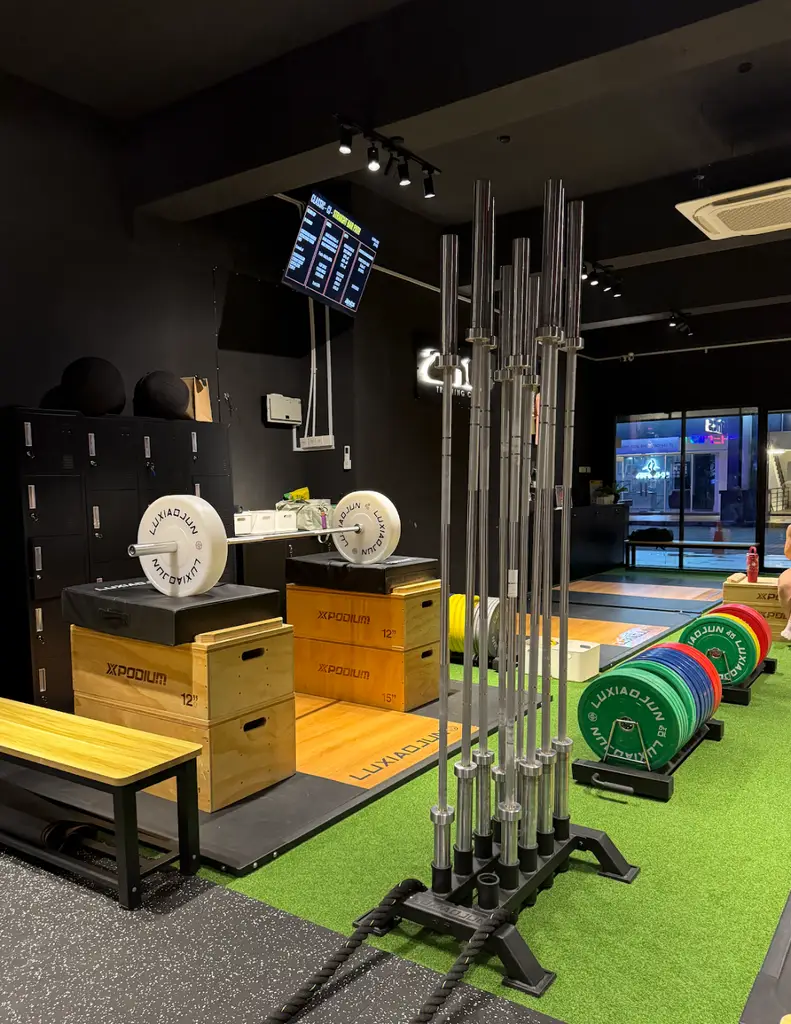
Open gym in a strength-focused facility is usually designed around purposeful training. The floor may be smaller, but the equipment is chosen for lifting, conditioning, and movement practice. There is room to deadlift without feeling like you are blocking a walkway. Platforms are available for Olympic lifts. Members generally understand that a barbell area is a working area, not a place to scroll between sets.
The community also changes the experience. In an anonymous gym, it is easy to skip sessions, rush through exercises with poor form, or quietly avoid the movements you find difficult. In a neighborhood training club, people notice when you make progress. They also notice when you have not trained for a while - not in a pushy way, but in the way good training partners do.
At ANTS Training Club, that shared floor can include students, working adults, parents, competitive lifters, and older adults building strength for everyday independence. Everyone may be training differently, but everyone is practicing the same habit: showing up and putting in useful work.
How to Get Real Results Training Independently
An open gym access membership works best when your sessions have a clear purpose. You do not need an elaborate spreadsheet, but you should know what you are doing before you arrive.
Start with a simple weekly structure. Two or three full-body strength sessions can be enough for many people. Your main lifts might include a squat pattern, hinge pattern, push, pull, loaded carry, and some trunk work. If Olympic lifting is your focus, organize practice around technical positions, pulls, squats, presses, and the snatch or clean and jerk variations that suit your current level.
Keep a training log. Write down the load, sets, reps, and a short note about how the work felt. This is not busywork. It helps you see whether you are actually progressing, recovering well, or repeatedly choosing weights that are too heavy to move with control.
Use simple progression. Add a small amount of weight, an extra repetition, or another set only when your technique stays solid. Progress does not have to mean adding weight every session. Better balance, smoother bar paths, deeper range of motion, and less joint irritation are all signs that training is working.
Most importantly, leave a little room in the tank. Training hard has a place, but constantly testing yourself is not a program. You should finish most sessions feeling like you trained well, not like you need three days to recover from one workout.
Know When to Ask for Help
Independent training does not mean you must solve every problem alone. Ask a coach when a movement repeatedly feels wrong, when pain changes how you move, or when you have stalled for several weeks despite consistent effort.
A quick form check can save months of practicing an inefficient pattern. A coach may spot that your deadlift setup is too far from the bar, your squat is limited by ankle mobility, or your shoulder position is making overhead work uncomfortable. Small adjustments can make training safer and more productive.
It is also smart to ask for help when your goals change. Preparing for a first 5K, returning after pregnancy, building confidence under a barbell, and competing in weightlifting all call for different priorities. The program that got you started is not always the one that will take you where you want to go next.
Questions to Ask Before You Join
Not every open gym membership offers the same experience. Before committing, find out when access is available and whether those hours match your real schedule. A membership is only valuable if you can use it consistently.
Ask what equipment is available during open gym, how busy the space tends to be, and whether there are rules for sharing racks and platforms. If you want to practice Olympic lifts, for example, make sure there is appropriate space and that dropping weights is permitted when needed.
It is also worth asking about coaching boundaries. Are coaches available for occasional guidance? Can you book a technique session or personal training when you need more support? Is there an onboarding process for new members? These details make a major difference for someone who wants independence without being left to figure everything out alone.
Finally, consider the culture. Visit at a time you would normally train. Notice whether members re-rack their weights, give each other room, and treat beginners with respect. A clean, well-run training floor tells you a lot about the kind of habit you can build there.
Make the Membership Fit Your Life
The best training plan is rarely the most complicated one. It is the one you can repeat through busy weeks, travel, work deadlines, family commitments, and the occasional low-energy day.
Use open gym to make training easier to keep. Have a shorter backup session for days when you only have 30 minutes. Keep your warm-up consistent. Choose exercises you can perform well. If you miss a workout, return to the plan at the next session instead of trying to punish yourself with extra volume.
Strength grows through repeated exposure to good work. Find a place where you can train your own program, on your own time, while still being surrounded by people who care about doing things properly. Then give yourself enough weeks and months for that work to add up.
See also: Open Gym