A barbell does not care whether you are a student, a busy parent, a former athlete, or returning to exercise after years away. It simply responds to position, timing, patience, and practice.
Olympic weightlifting is built around two primary movements:
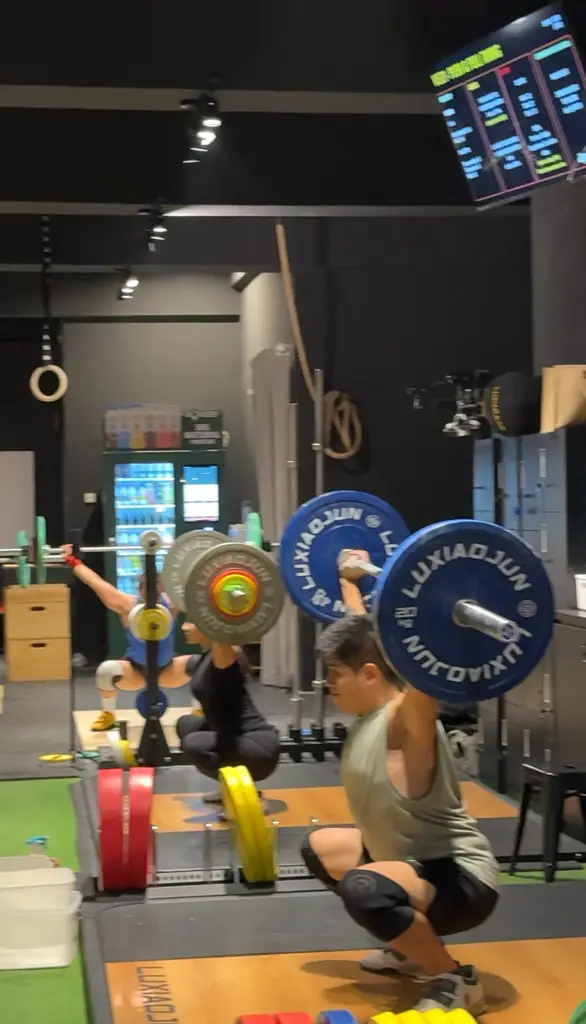
The Snatch: The barbell travels from the floor to overhead in one fluid motion.
The Clean and Jerk: The bar is pulled explosively to the shoulders, then driven overhead.
While fast and technical, these lifts are not reserved for elite athletes. With progressive coaching, they are practical, high-impact tools for building real-world strength, mobility, coordination, and athletic confidence.
What Happens in an Olympic Weightlifting Class?
A great weightlifting class is coached practice with a clear plan—not a rush to load heavy plates. A typical session follows a structured structure:
Mobility Warm-Up: Prepares the ankles, hips, upper back, shoulders, and wrists.
Technique Drills: Uses PVC pipes or light barbells to isolate key movement mechanics.
Main Lifting Work: Individualized loading tailored to your current movement quality and capacity.
Accessory Strength: Targets squats, pulls, presses, and core work to support joint stability and postural control.
At ANTS Training Club, small-group coaching ensures you receive immediate, actionable feedback after every set.
Why Learn the Snatch and Clean & Jerk?
Olympic lifting trains your body to generate force rapidly and control it under load. Key benefits include:
Better Coordination: Teaches your legs, hips, trunk, and upper body to work in seamless sequence.
Improved Mobility: Naturally develops active joint range in full squats and overhead positions.
Engaging Skill Practice: Progress comes from problem-solving movement mechanics, keeping workouts mentally rewarding.
Scalable Power: Develops explosive athleticism for competitive athletes while preserving speed and confidence for older adults.
Scalable Coaching for Every Fitness Level
You do not need to be strong, flexible, or experienced to start—those qualities are built through the process. Coaching adjusts variables like starting height, motion range, and load to fit your needs:
Mobility Restrictions: Lifts can start from blocks or raised positions.
Overhead Limitations: Focus stays on presses, pulls, and mobility drills while overhead capacity adapts.
Joint Sensitivity: Squat depth and load are modified to build supporting strength safely.
What Good Coaching Looks Like
Effective technical coaching is clear, specific, and prioritizes one correction at a time. Rather than overwhelming lifters with instructions, quality coaches identify the root cause—balance, bar path, or timing—and provide simple actionable cues.
Small-group environments offer the ideal mix: personalized eyes-on coaching paired with group accountability. Missed lifts are never failures; they are simply data to refine your next attempt.
Class Frequency: How Often Should You Train?
Beginners: 1 to 2 Olympic lifting sessions per week is ideal for building motor patterns and consistency. /olympic-lifting
Hybrid Training: If paired with strength and conditioning classes, recovery should be prioritized. /strength-conditioning
Progress is faster when you keep loads light enough to repeat high-quality movement before adding heavy weight.
Getting Started
To join your first class, all you need are comfortable workout clothes, flat-soled shoes, and an open mindset. Weightlifting shoes can help down the line, but they are never required to start.
Confidence is not built before you show up—it is built rep by rep through patient practice and expert coaching.
See also: Olympic Lifting