The first time you see a barbell move quickly from the floor to overhead, Olympic lifting can look like a sport reserved for fearless athletes. A good olympic lifting beginner class shows the opposite. You do not need prior lifting experience, perfect mobility, or a competition goal to start. You need coaching, a sensible progression, and room to learn without feeling rushed.
Olympic weightlifting centers on two competition lifts: the snatch, where the bar travels from the floor to overhead in one movement, and the clean and jerk, where it reaches the shoulders before being driven overhead. Both lifts ask for strength, balance, timing, mobility, and coordination. That sounds like a lot because it is. The good news is that beginners build those qualities one piece at a time.
What Happens in an Olympic Lifting Beginner Class
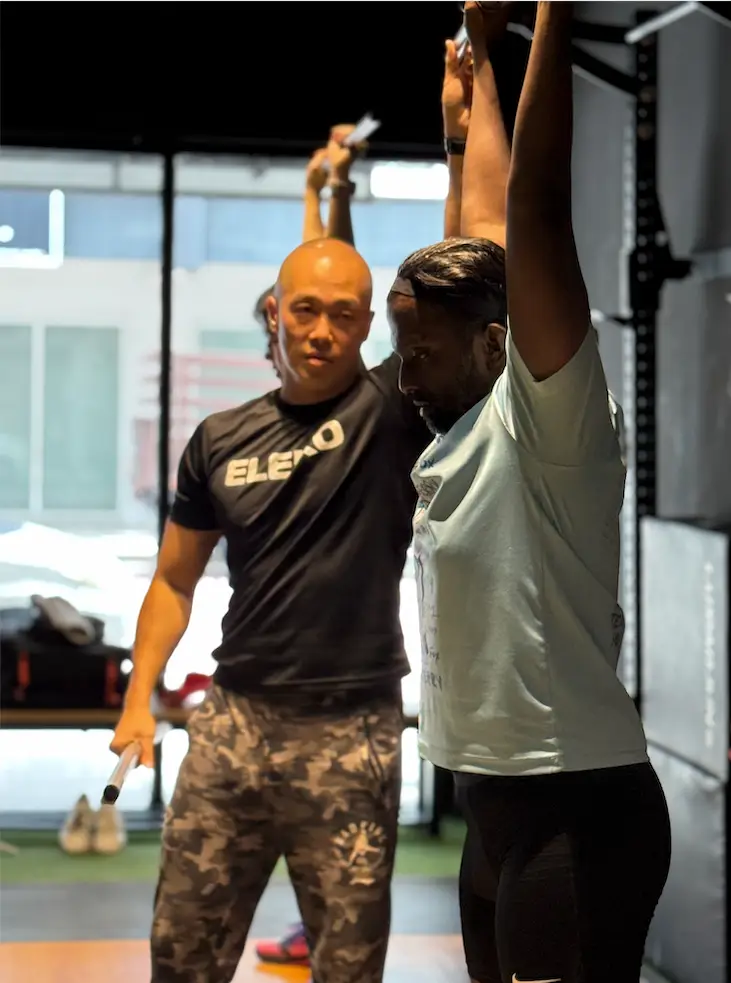
A beginner class is not a test of how much weight you can put on the bar. It is a coached practice session where you learn positions, movement patterns, and the language of lifting. Most people begin with a PVC pipe, light technique bar, or empty barbell. The load only rises when your movement is consistent enough for it to be useful.
You may start by learning how to stand over the bar, brace your trunk, and keep the bar close to your body. From there, a coach might teach a hip hinge, a front rack position, or an overhead receiving position before asking you to combine them. These drills can feel slower than jumping straight into full lifts, but they are what make the full lifts safer, smoother, and more powerful later.
A well-run session usually includes a warm-up that prepares the ankles, hips, shoulders, and upper back. Olympic lifting asks your body to move through positions that modern desk life does not always encourage. A few targeted mobility drills, light squats, pulls, and pressing movements help you find those positions before the bar starts moving faster.
Then comes skill work. Your coach may have the group practice a hang power clean, where the bar starts above the knees and is received in a partial squat. Or you might learn a muscle snatch, which teaches a strong, close bar path without needing to catch the bar in a deep squat. These variations are not watered-down versions of the real lifts. They are practical teaching tools that build the pieces in the right order.
Why Technique Comes Before Heavy Weight
Olympic lifts reward patience. The bar moves fast, but learning should not be fast for its own sake. Adding weight too early can hide problems such as an unstable receiving position, a soft brace, or a bar that swings away from the body. A lighter bar gives you clearer feedback.
This does not mean beginners train without challenge. You may work on a squat, deadlift, press, pull, or accessory movement that develops the strength needed for lifting. You may also repeat a technical drill until your legs are working and your focus is tested. The difference is that the challenge has a purpose. You are building strength that supports better lifting rather than simply exhausting yourself.
There is also no single “correct” starting weight. A former athlete, a parent returning to exercise, and an office worker who has never touched a barbell can all train in the same class while using different loads and variations. Good coaching scales the session to the person in front of the coach.
The Positions Matter More Than Looking Perfect
Beginners often worry about whether they are flexible enough to lift. Mobility helps, especially in the ankles, hips, shoulders, and thoracic spine, but nobody needs to arrive in a perfect overhead squat position on day one. Your coach should help you work within the range you have while steadily improving it.
For some people, that means catching a clean higher before gradually developing a deeper front squat. For others, it means using a wider grip, heel elevation, or a modified overhead position while shoulder control improves. These are not shortcuts. They are appropriate adjustments that let you train productively now.
The goal is not to copy someone else’s shape. The goal is to create stable, repeatable positions in your own body and improve them over time.
What You Will Learn Beyond the Snatch and Clean and Jerk
An Olympic lifting beginner class teaches more than two barbell lifts. You learn how to set up a bar safely, use bumper plates, and return the bar to the floor with control. You learn how to receive feedback, make a small adjustment, and try again. That process builds confidence well beyond the platform.
You also develop useful physical qualities. Front squats improve leg strength and trunk control. Pulling drills teach you to create force through the floor. Overhead work develops shoulder stability. The repeated practice of bracing, balancing, and moving through a full range can support everyday tasks, from carrying groceries to getting up from the floor with more confidence.
For people who already train, Olympic lifting can bring a fresh technical focus to a routine that has become repetitive. For people starting from scratch, it provides structure. You are not wandering around a gym wondering which machine to use next. You have a coach, a plan for the session, and a group working through the same general skill.
Who Is a Beginner Class For?
It is for the person who has watched lifting videos and wants to understand what is actually happening. It is for the recreational gym-goer whose squats and deadlifts are solid but who has never learned to move a bar overhead quickly. It is also for adults returning to exercise who want a coached strength practice rather than a random high-intensity workout.
Age alone does not decide whether Olympic lifting is appropriate. Training history, current mobility, injury history, and goals matter more. An older adult may begin with foundational strength, balance work, and modified lifting drills before progressing to a barbell. A competitive sport athlete may move more quickly into power variations. Both approaches can be sensible when the progression fits the person.
If you have a current injury, pain that changes how you move, or medical restrictions, tell the coach before class. A responsible program can modify the session, suggest an alternative movement, or recommend building capacity first. Pushing through sharp pain is not a badge of commitment.
How to Choose the Right Beginner Class
Look for a setting where the coach can actually see you lift. In a very large class, it is easy for a new lifter to repeat the same mistake for several sessions without feedback. Small groups give coaches the chance to cue your setup, bar path, and receiving position while still keeping the session energetic and social.
Ask how beginners are introduced to the lifts. A thoughtful answer should involve progressions, drills, and individualized loading, not a promise that everyone will be doing heavy snatches immediately. It should also be clear how the class fits alongside general strength training. Olympic lifting develops best when technical practice is supported by stronger legs, a capable trunk, and healthy shoulders.
At ANTS Training Club, the aim is to make serious coaching feel approachable. You can learn lifting gymnastics alongside people training for health, sport, or the satisfaction of getting stronger. Everyone may be working at a different level, but everyone deserves clear instruction and respect.
Your First Session Does Not Need to Be Impressive
Wear clothing that lets you squat and reach overhead, and choose flat, stable shoes if you have them. Bring water, arrive a few minutes early, and let the coach know about any previous injuries or concerns. You do not need lifting shoes, wrist wraps, a belt, or your own barbell to begin.
Most of all, give yourself permission to be new. Olympic lifting is a skill sport, and skills improve through attentive repetitions. The person confidently catching a bar overhead did not start there. They learned one position, one drill, and one well-coached session at a time.
Your first lift may be a PVC pipe from mid-thigh, and that is plenty. Show up ready to learn, listen closely, and let steady practice turn unfamiliar movement into real strength.
See also: Olympic Lifting